I recently interviewed a young musician known for his soulful singing and songwriting. In the middle of our conversation, he said something that pierced me with its effectiveness and profound simplicity. It was a fresh approach to two tricky concepts: the reality of impermanence and the truth of death.
I’ll get to what was said, but first, you might wonder, “Why be reminded of the very things we often fear the most?”
My teacher, Dzogchen Ponlop Rinpoche, writes in his book, Mind Beyond Death: Though we do not wish to confront death or the fear it inspires, running away from this inconvenient truth will not help us.
It won’t help us prepare for our own death, but it also doesn’t help us now, when we have the opportunity to be fully awake to the reality of the fragility and preciousness of life. Why is that a good idea?
In Buddhism, we learn about impermanence and death because, among other things, it helps us live better lives. I’ve worked with those concepts through study and meditation, and my own experiences with the death of those I love dearly. Yet, how do we take them to heart, moment by moment?
How do we transform the broad brush strokes of our concepts about death and impermanence and make them lively, specific and meaningful to us? How do we bring them into a felt sense or a daily practice that connects us with deep gratitude, kindness and happiness, with encouraging positive qualities in ourselves and others, with being fully present to our lives?
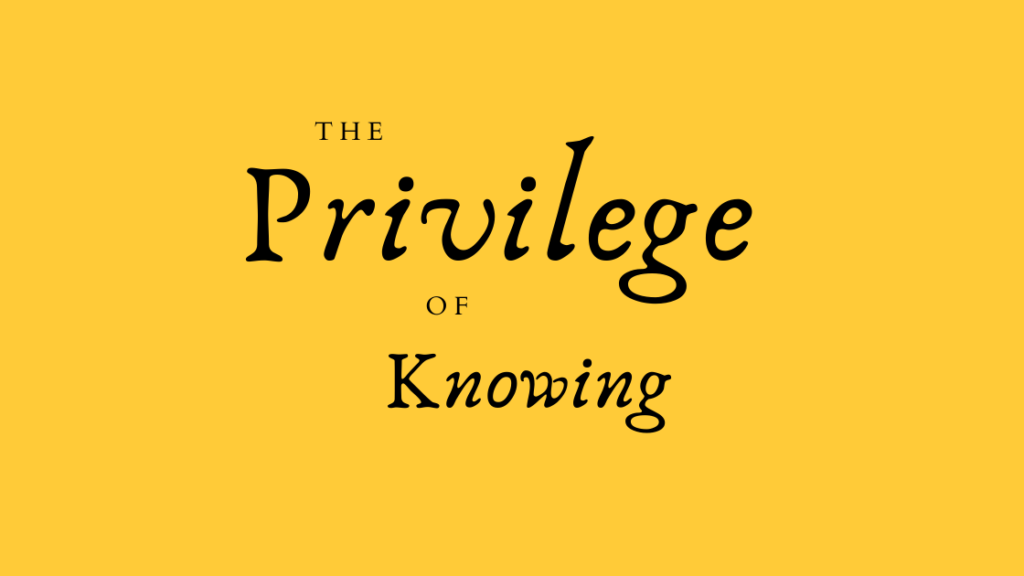
Enter the musician’s comment: “My wife and I have a daily practice of asking ourselves: If I had the privilege to know my last day, then what do I wish I had — or hadn’t — said or done in my lifetime?”
The “aha” for me arrived with that statement, about that practice. We never know when we will die — it could be our next moment — and, of course, then it will be too late to say or do those things we wished we had done.
When my mother was dying, I asked myself if I had said all I wished to say to her, expressed my full love and gratitude for everything she had given me. The answer, thankfully, was “Yes.” But what if I asked myself that same question every day, about everyone in my life right now, before they are dying or gone?
With that thought alone, imagining what I would say, I already felt more tender and open, lighter, more awake to wanting to really “see” them and express — with words and actions — my love, my regret for blunders and hurtful past deeds.
The Buddha said the greatest of all teachings is impermanence; its final expression is death. We have witnessed many situations that brought impermanence to the forefront this past pandemic year and many unexpected deaths. They also brought much pain and grief and, no doubt, left much unsaid and undone.
With the knowledge that a practice is about trying again and again, I intend to add this contemplation to my day now, before it is too late. Perhaps it, too, will be of benefit to you:
“If I had the privilege to know my last day, then what do I wish I had — or hadn’t — said or done in my lifetime?”

Juli Goetz Morser dined on the smorgasbord of dharma for a number of years, tasting a variety
of classes, before enrolling in Nitartha Institute in 2008, where she met Dzogchen Ponlop
Rinpoche. Rinpoche became her teacher in 2010, and she became a member of Nalandabodhi.
Juli is a writer, poet and editor who often writes and edits for Nalandabodhi and Karmapa Center 16.