“Pseudocommunity is conflict-avoiding; true community is conflict-resolving.”
―M. Scott Peck
According to Dr. Peck, an American psychiatrist and author, a pseudocommunity is characterized by shallow connections and polite niceties. Members downplay differences and avoid difficult conversations. Pseudocommunities have not discovered, in the words of Stephen Sondheim, that “nice is different than good.”
Peck believes that pseudocommunity is a necessary stage of community development, but it’s not true community. If members can open to deeper levels of ideas, emotions, and connections, they enter the stage of chaos.
In chaos, community members share more openly their previously unexpressed conflicts and frustrations. This difficult stage, when navigated skillfully, paradoxically allows for genuine community. This seems to be consistent with the Buddha’s teaching that difficult speech, which might provoke hurt and even anger in others, is appropriate if it can lead to being established “in the wholesome” (to borrow a phrase from the Majjhima Nikaya).
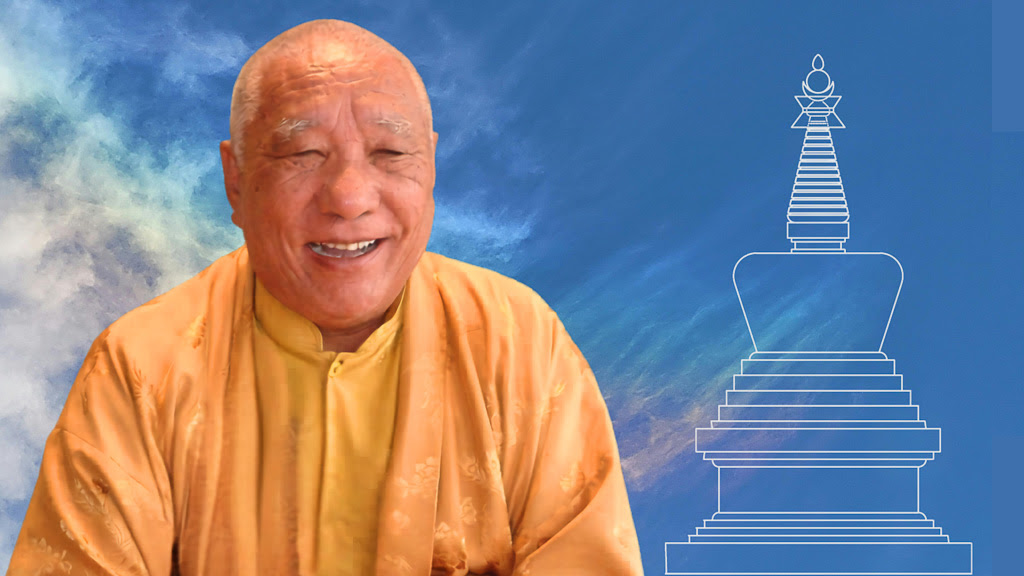
According to Peck, the task is not to shut down chaos but to accept and embrace it, breaking down our barriers to communication—our fears, prejudices, unconscious biases, and ideologies. We can empty ourselves of the need to be right, to control, to fix, to win. Opening to chaos requires a heart courageous enough to awaken and a community loving enough to hold it. It requires us to embody Khenpo Rinpoche’s teaching “erring and erring we walk the unerring path”—which leads to Peck’s third stage: emptiness. In emptiness, members learn to listen deeply and work through barriers to communication. We become open, spacious, and relaxed with whatever arises.
The Buddha encourages us to skillfully examine and resolve conflicts and their causes, not ignore them. He distinguishes between discussions that resolve conflicts and “draw out the dharma” and unhealthy disputes that only create discord. The Buddha also speaks about the importance of skillfully giving and receiving feedback: we should not resist feedback, denigrate the one giving feedback, or remain stuck in our own views. The Buddha asks us to avoid arrogance and to look within as we walk our path. But it is often by participating in community—sangha—that our blind spots are revealed.
When there is mutual understanding and trust, members can express themselves genuinely without fear. Conflict is no longer repressed; it is resolved. Connections become authentic and deep. Empathy prevails. This is true community, Peck’s final stage. It is the harmonious sangha described by the Buddha in which members “blend like milk and water” and view each other with the eyes of affection.
Contemplation
Consider the following prompts. It might be helpful to journal on some of these topics.
- Am I afraid I would be rejected by my community if I disagreed or shared honestly?
- Do I tend to avoid or to resolve conflict? What is the difference?
- How can conflict create an opportunity to connect more deeply?
- What conscious or unconscious patterns hinder my empathy and understanding?

Ben Mikolaj is a Dharma practitioner living in Colorado who enjoys being in nature.